

Class Action Suit
The class action for the LGBT Purge began in the fall of 2016. This followed years of efforts from individuals, academics, and the We Demand an Apology Network seeking justice to right the wrongs that had been done to 2SLGBTQ+ members of the Canadian Armed Forces, The Royal Canadian Mounted Police, and federal civil service by the Government of Canada.
The latest call for “the Federal government to acknowledge the wrongs done to our community and commit to a process to make it right,” was brought forward by Egale Canada through The Just Society Report: Grossly Indecent Confronting the Legacy of State-Sponsored Discrimination Against Canada’s 2SLGBTQ+ Communities in May of 2016. And this time the government signaled they were willing to act.
To ensure the recommendations would be addressed completely and as soon as possible, class actions were filed against the Attorney General of Canada in the fall of 2016 in Ontario, Quebec, and shortly after in Nova Scotia. Negotiations with the government of Canada began immediately. The separate class actions joined forces and were refiled in March of 2017 in the Federal Court as Todd Edward Ross, Martine Roy, and Alida Satalic v Her Majesty the Queen, also known as the LGBT Purge Class Action.
On November 28, 2017, a negotiated settlement was announced. This coincided with the apology made in the House of Commons by the Prime Minister and leaders of all parties on behalf of the Government of Canada and all Canadians.
On June 18, 2018, after listening to the personal testimonies of many survivors, Justice Martine St-Louis ratified the final settlement agreement of the LGBT Purge Class Action in the Federal Court. The Government of Canada agreed to pay $145 million which included compensation for individuals and for reconciliation and memorialization measures.
 Forgotten Canada
Posted October 2, 2026 (Made sharable through Facebook)
Article written by Forgotten Canada
She was one of the military’s best young officers. Then they took her to a hotel room near the airport and asked her about her private life. Within a year, her career was over. It was 1988. She was 24, and she had done everything right. Her name was Michelle Douglas. She was born in Ottawa on December 30, 1963. She graduated from Carleton University in 1985 with a major in law.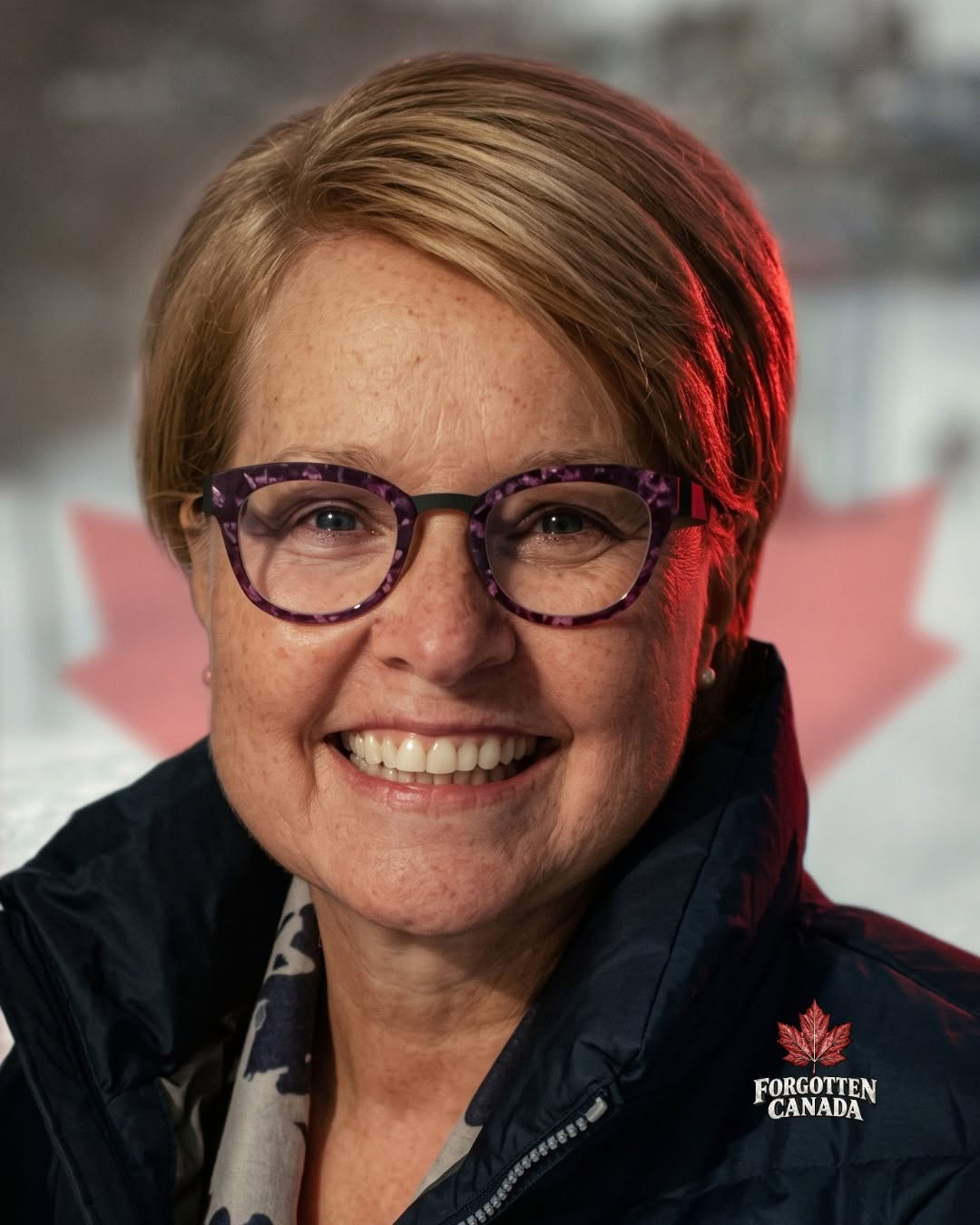
On November 26, 1986, she joined the Canadian Forces. She finished at the top of her class. She was posted to the Special Investigations Unit, the first woman officer to be promoted into it. Here is the part that is hard to believe. One of that unit’s jobs was investigating whether members of the military were gay or lesbian. At the time, the Canadian Forces had a policy. Gay and lesbian members could be investigated, have their security clearances stripped, and be removed from service. Michelle Douglas was a lesbian. She had not told anyone in uniform.
In 1988, she came under investigation herself. She was taken, without warning, to a hotel near Toronto’s Pearson Airport. Two male officers questioned her. The questioning went on for two days. She was asked about her relationships and her private life. She was asked to take a polygraph test. At first, she denied it. Then she gave up the lie. “You win. I am gay. What do we do now?” What they did was take everything.
In April 1989, her top secret security clearance was revoked. She was told she would be released from the military. The official reason was written on her file as an administrative category: “Not advantageously employable due to homosexuality.” That was it. Not misconduct. Not poor performance. Not a security breach. Just who she was.
On June 8, 1989, she accepted her discharge. She could have walked away and rebuilt a quiet life. Many people in her position did. The fear was real. Going public meant being known, in 1989, as the officer the military threw out for being gay. She did not walk away.
In January 1990, with lawyer Clayton Ruby, she sued the Department of National Defense. Her claim was for $550,000, and it argued the policy violated her rights under the Canadian Charter of Rights and Freedoms. Consider what that meant at the time. One discharged junior officer, against the entire armed forces of Canada. The military fought her for nearly three years. There were setbacks. There were delays. Her name was in the news.
Then, in October 1992, just before the case was set to go to trial, the military gave up.
On October 27, 1992, the case was settled. Douglas received $100,000. The Federal Court of Canada recorded that men and women could no longer be barred from the military because they were gay or lesbian. The policy was gone. Not just for her. For everyone who would ever put on a Canadian uniform after that day. She later put her loss plainly. “I should have had a distinguished career path in the military. Instead, on bald discrimination, this was the basis for my dismissal.”
She went on to a 30-year career in the federal public service, eventually serving as Director of International Relations at the Department of Justice. But the story was bigger than one officer. For decades, from the 1950s into the 1990s, thousands of people had been investigated, pushed out, or fired from the military, the RCMP, and the federal public service because of their sexual orientation. It became known as the LGBT Purge.
In 2016, survivors launched a class action lawsuit. On November 28, 2017, Prime Minister Justin Trudeau stood in the House of Commons and formally apologized on behalf of the government of Canada. Twenty-eight years after her discharge. In June 2018, the class action was settled for $145 million. Part of that money went into a reconciliation fund. In 2019, Michelle Douglas became its executive director, overseeing projects to record the history, train the public service, and build a national monument.
On August 21, 2026, that monument officially opened in Ottawa. It is called Thunderhead.
In 2023, the Canadian Armed Forces appointed her its first Honorary Colonel for Professional Conduct and Culture. The same institution that once wrote “not advantageously employable” on her file. Think about that the next time you see a Canadian service member marching in a Pride parade in full uniform. That was not always allowed. It became allowed because a 24-year-old officer was told she no longer belonged and decided the rule was the thing that did not belong.